
 Image 1 of 1
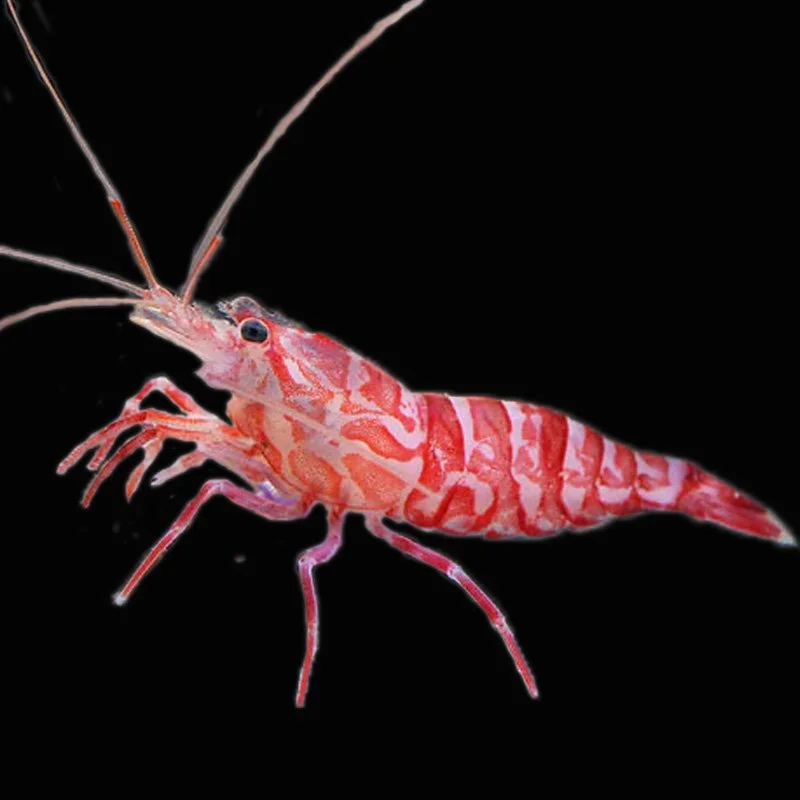
The , often called the Striped Cleaner Shrimp or Red Striped Shrimp, is a highly industrious marine invertebrate native to the tropical coral reefs of the Indo-Pacific. Highly valued as a premium member of a reef tank's clean-up crew, this versatile scavenger functions as a powerful biological control agent. It is widely considered by advanced aquarists to be even more reliable and efficient at entirely eradicating nuisance Aiptasia (glass anemone) outbreaks than common peppermint shrimp alternatives.
Core Biological Profile
Maximum Adult Size: Reaches a compact length of 1.5 to 2.0 inches (4 to 5 cm).
Minimum Aquarium Volume: Requires a small footprint of at least 15 US Gallons (60 Liters) for a single specimen or a social pair.
Temperament & Social Structure: Exceptionally peaceful community citizens. They are highly social and thrive best when housed in small groups of 2 to 4 individuals, which boosts their confidence and visibility.
Reef Compatibility: Reef Safe with Caution. They are structurally safe around the vast majority of hard and soft corals, but hungry individuals may occasionally nip at small polyps or zoanthids if they run out of natural food sources.
Key Performance Benefits & Behaviors
Elite Multi-Stage Aiptasia Control: When hunting pest Aiptasia anemones, Kuekenthal's shrimp display advanced group hunting strategies. While a single shrimp can successfully tackle tiny glass anemones on its own, a small group will actively team up—with one shrimp pinning down the stinging tentacles while the others shred and consume the base to prevent the pest from regenerating.
Active Fish Cleaning Stations: Distinct from standard peppermint shrimp lines, this species retains true cleaner shrimp instincts. They will establish a localized cleaning station on live rock ledges, waving their long antennas to invite fish over so they can gently pick off external skin parasites, loose bacteria, and dead tissue cells.
Daylight Visibility Profiles: While many pest-eating shrimp remain strictly nocturnal and hidden, the Kuekenthal's shrimp is naturally more bold and outgoing. As your aquarium lighting ramps down into its evening actinic blue cycle, they will openly venture across your rockwork to forage.
The , often called the Striped Cleaner Shrimp or Red Striped Shrimp, is a highly industrious marine invertebrate native to the tropical coral reefs of the Indo-Pacific. Highly valued as a premium member of a reef tank's clean-up crew, this versatile scavenger functions as a powerful biological control agent. It is widely considered by advanced aquarists to be even more reliable and efficient at entirely eradicating nuisance Aiptasia (glass anemone) outbreaks than common peppermint shrimp alternatives.
Core Biological Profile
Maximum Adult Size: Reaches a compact length of 1.5 to 2.0 inches (4 to 5 cm).
Minimum Aquarium Volume: Requires a small footprint of at least 15 US Gallons (60 Liters) for a single specimen or a social pair.
Temperament & Social Structure: Exceptionally peaceful community citizens. They are highly social and thrive best when housed in small groups of 2 to 4 individuals, which boosts their confidence and visibility.
Reef Compatibility: Reef Safe with Caution. They are structurally safe around the vast majority of hard and soft corals, but hungry individuals may occasionally nip at small polyps or zoanthids if they run out of natural food sources.
Key Performance Benefits & Behaviors
Elite Multi-Stage Aiptasia Control: When hunting pest Aiptasia anemones, Kuekenthal's shrimp display advanced group hunting strategies. While a single shrimp can successfully tackle tiny glass anemones on its own, a small group will actively team up—with one shrimp pinning down the stinging tentacles while the others shred and consume the base to prevent the pest from regenerating.
Active Fish Cleaning Stations: Distinct from standard peppermint shrimp lines, this species retains true cleaner shrimp instincts. They will establish a localized cleaning station on live rock ledges, waving their long antennas to invite fish over so they can gently pick off external skin parasites, loose bacteria, and dead tissue cells.
Daylight Visibility Profiles: While many pest-eating shrimp remain strictly nocturnal and hidden, the Kuekenthal's shrimp is naturally more bold and outgoing. As your aquarium lighting ramps down into its evening actinic blue cycle, they will openly venture across your rockwork to forage.