
 Image 1 of 1
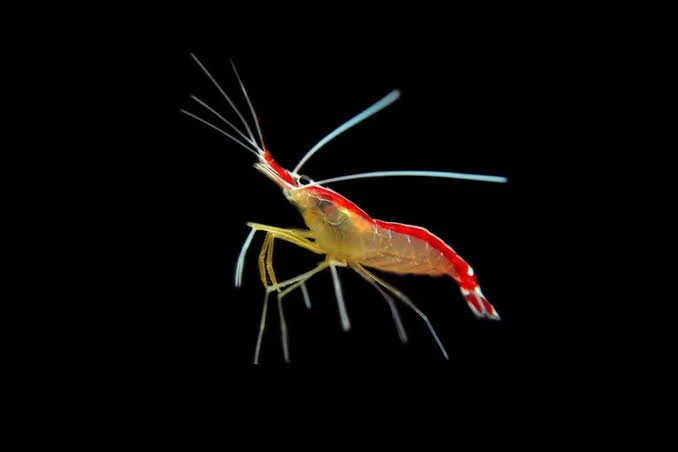
The Skunk Cleaner Shrimp (Lysmata amboinensis), also universally known as the Scarlet Cleaner Shrimp, is an exceptionally popular and highly functional marine invertebrate featuring a striking bright red body split by a distinct, neon-white stripe running down its back. It is instantly recognized by its intensely long, bright white antennae that it waves frantically to catch the attention of passing fish. Celebrated in the saltwater hobby as the ultimate biological health utility, it establishes a specialized cleaning station on a prominent rock ledge where reef fish willingly line up to have skin parasites, dead tissue, and fungal growths gently picked off.
Tank Requirements
Minimum Tank Size: 10 to 20 gallons or larger; highly versatile and exceptionally well-suited for any system size, from small nano reefs to massive coral displays.
Aquarium Decor: Plentiful live rock structures configured with open ledges, overhanging arches, and shaded caves where it can securely establish its primary cleaning station and retreat during its molting phase.
Temperature: 72°F – 78°F (22°C – 26°C).
Salinity (Specific Gravity): 1.023 – 1.025; highly sensitive to rapid osmotic shifts, copper-based medications, and high nitrate levels.
pH Range: 8.1 – 8.4.
Care and Feeding
Diet: Omnivore and Scavenger; while it actively feeds on external parasites collected from fish hosts, it cannot survive on parasite cleaning alone in a closed system. It is an enthusiastic eater that will boldly swim upside down at the surface to grab frozen mysis shrimp, brine shrimp, flake foods, and sinking pellets.
Reef Safe Rating: Reef safe; it is completely harmless toward small polyp stony (SPS) corals, large polyp stony (LPS) corals, and soft corals, though it is notorious for stealing food directly out of coral mouths during target-feeding sessions.
Temperament: Peaceful; entirely docile and highly interactive, often exhibiting zero fear of human hands. It can be kept singly but thrives beautifully in small groups or pairs. It requires trace amounts of iodine in the water column to safely shed its old exoskeleton during its natural molting process.
The Skunk Cleaner Shrimp (Lysmata amboinensis), also universally known as the Scarlet Cleaner Shrimp, is an exceptionally popular and highly functional marine invertebrate featuring a striking bright red body split by a distinct, neon-white stripe running down its back. It is instantly recognized by its intensely long, bright white antennae that it waves frantically to catch the attention of passing fish. Celebrated in the saltwater hobby as the ultimate biological health utility, it establishes a specialized cleaning station on a prominent rock ledge where reef fish willingly line up to have skin parasites, dead tissue, and fungal growths gently picked off.
Tank Requirements
Minimum Tank Size: 10 to 20 gallons or larger; highly versatile and exceptionally well-suited for any system size, from small nano reefs to massive coral displays.
Aquarium Decor: Plentiful live rock structures configured with open ledges, overhanging arches, and shaded caves where it can securely establish its primary cleaning station and retreat during its molting phase.
Temperature: 72°F – 78°F (22°C – 26°C).
Salinity (Specific Gravity): 1.023 – 1.025; highly sensitive to rapid osmotic shifts, copper-based medications, and high nitrate levels.
pH Range: 8.1 – 8.4.
Care and Feeding
Diet: Omnivore and Scavenger; while it actively feeds on external parasites collected from fish hosts, it cannot survive on parasite cleaning alone in a closed system. It is an enthusiastic eater that will boldly swim upside down at the surface to grab frozen mysis shrimp, brine shrimp, flake foods, and sinking pellets.
Reef Safe Rating: Reef safe; it is completely harmless toward small polyp stony (SPS) corals, large polyp stony (LPS) corals, and soft corals, though it is notorious for stealing food directly out of coral mouths during target-feeding sessions.
Temperament: Peaceful; entirely docile and highly interactive, often exhibiting zero fear of human hands. It can be kept singly but thrives beautifully in small groups or pairs. It requires trace amounts of iodine in the water column to safely shed its old exoskeleton during its natural molting process.